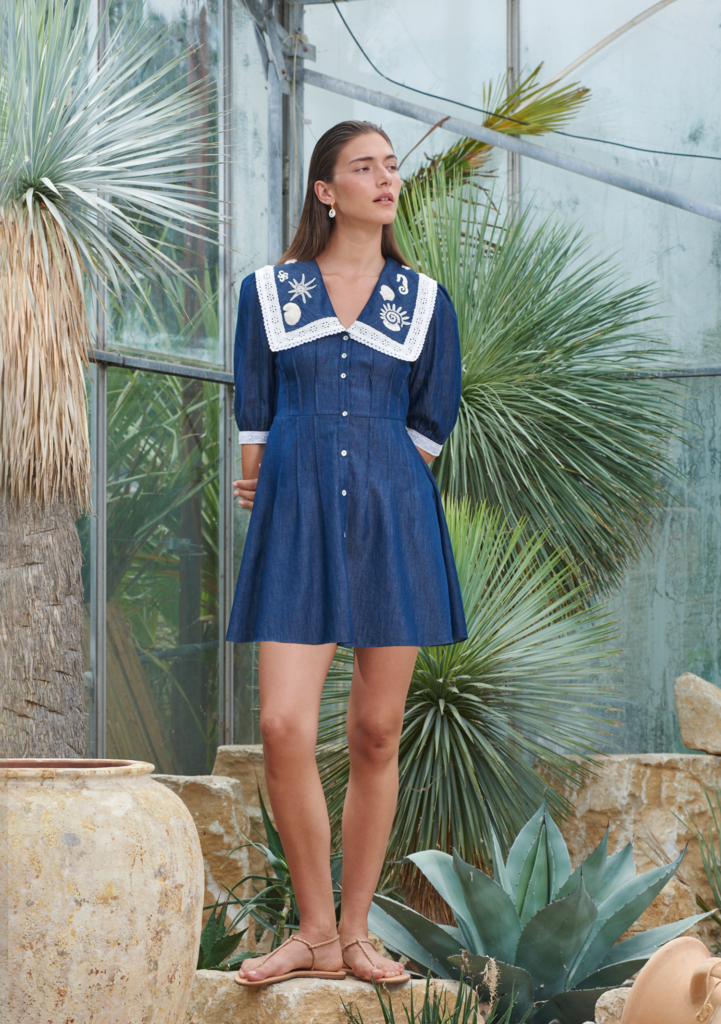



Muzungu Sisters on Their Shell Song SS26 Collection: A Greek Summer Wardrobe Spanning Miles and Centuries of Artisanal Luxury

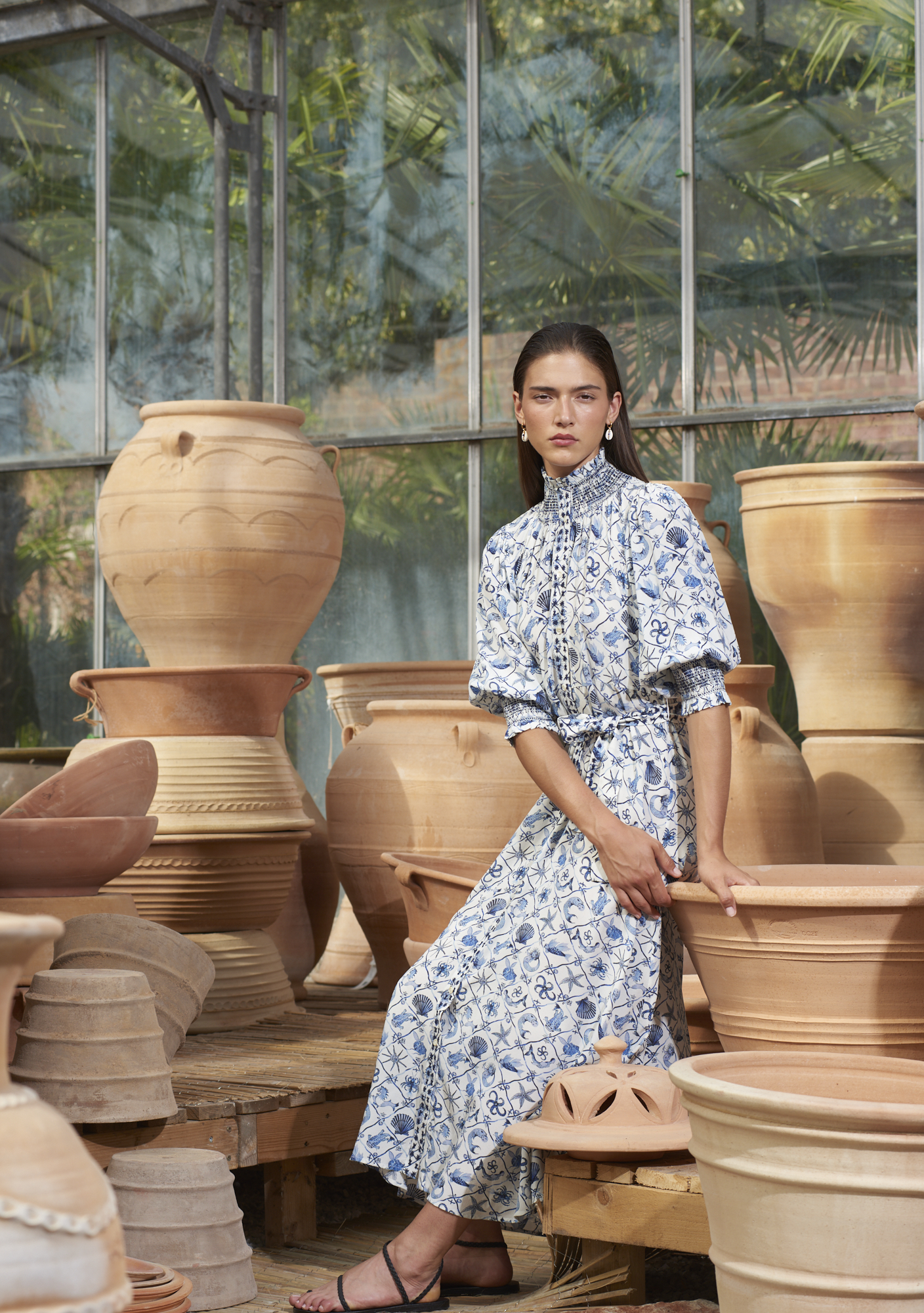
A name that evokes the spirit of the traveler—of discovery and stories gathered across continents—Muzungu Sisters moves effortlessly between worlds.
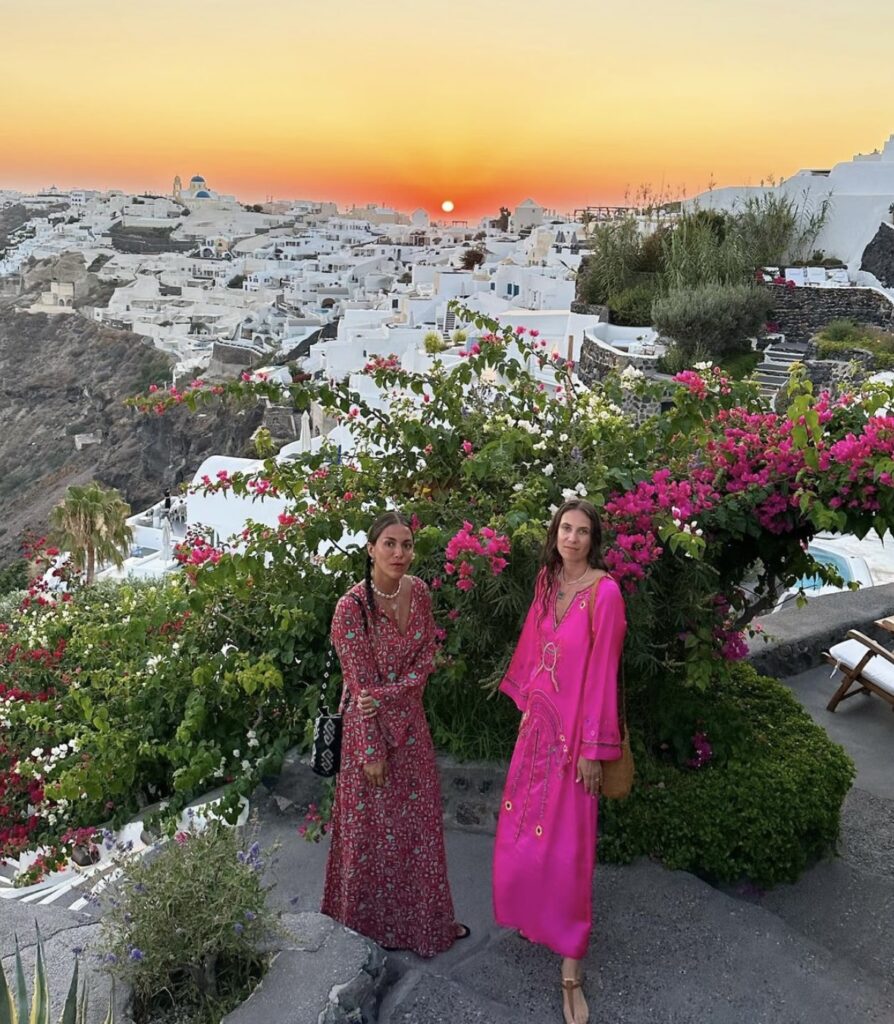
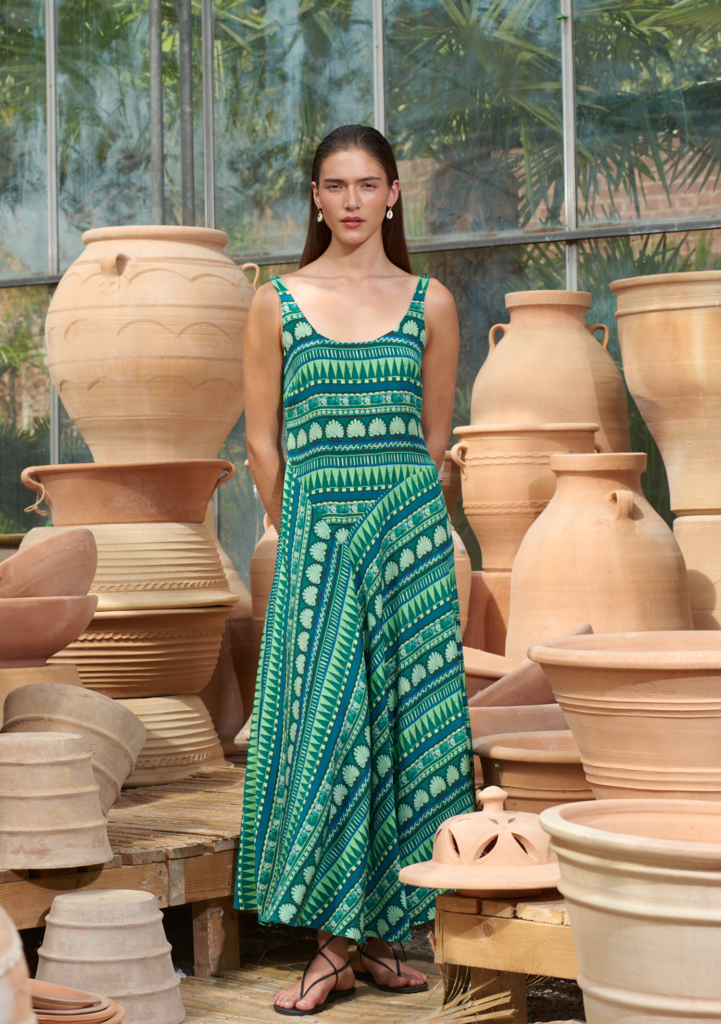
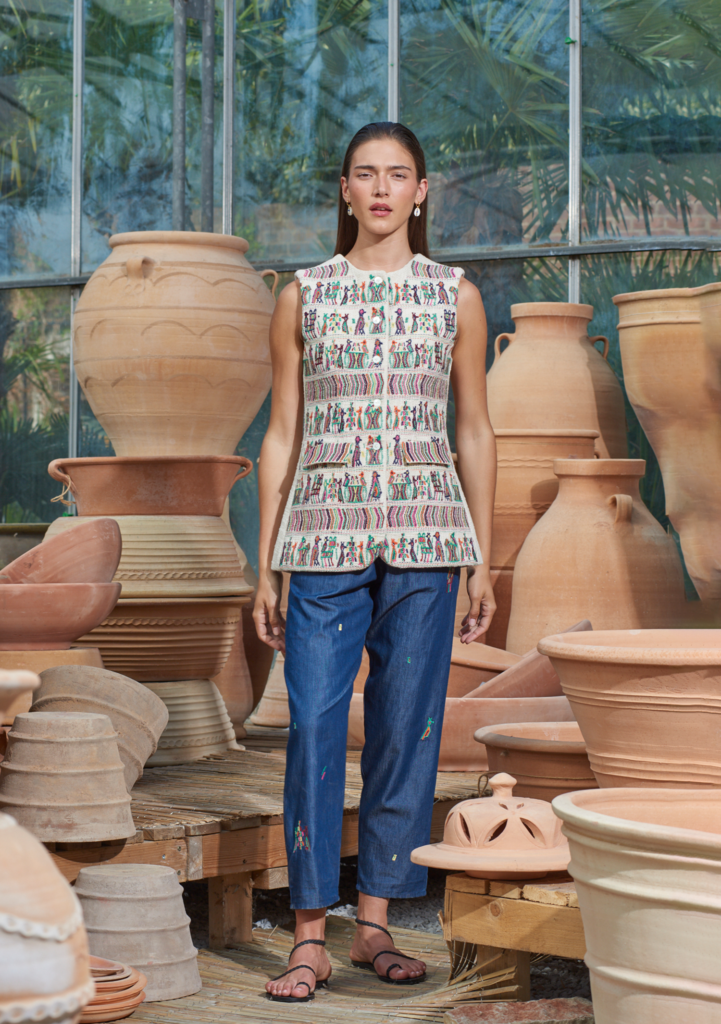
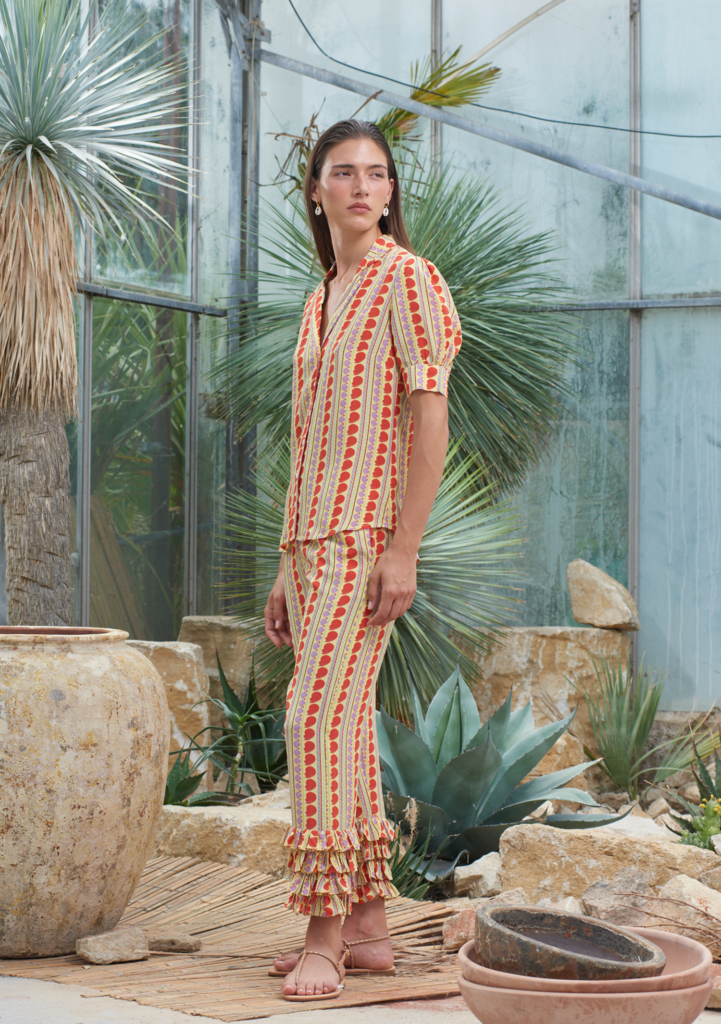
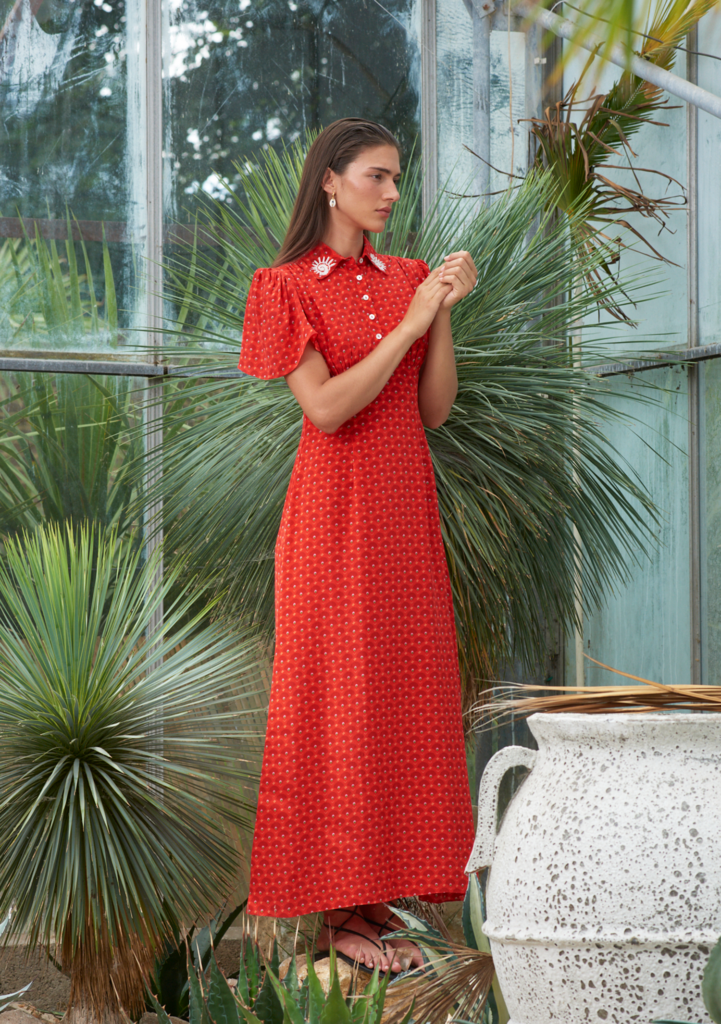
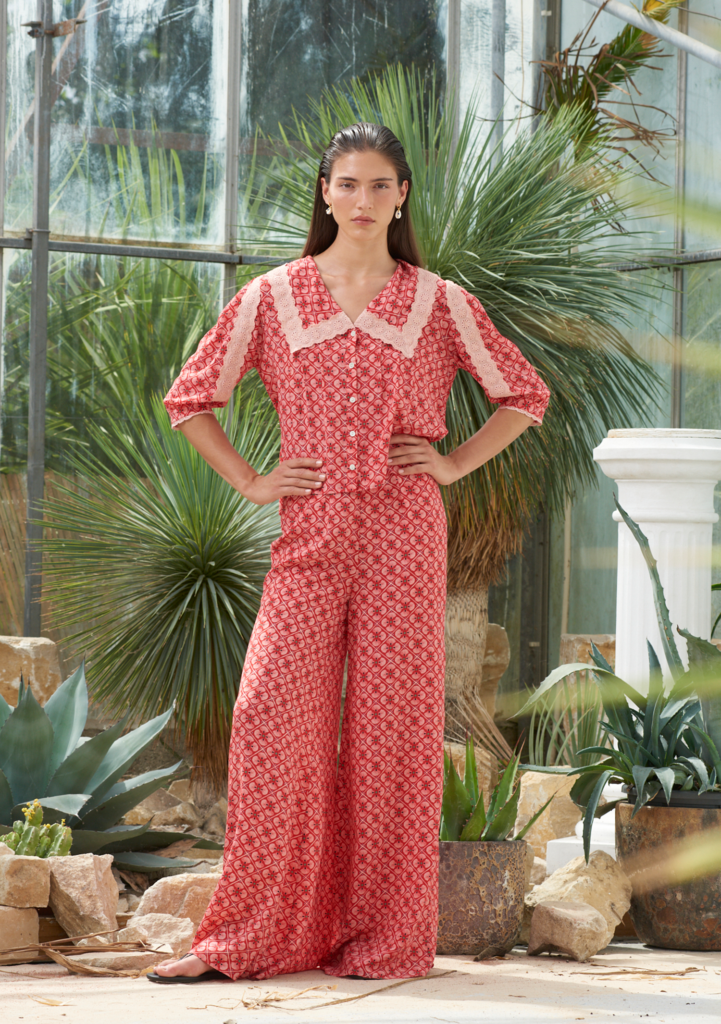
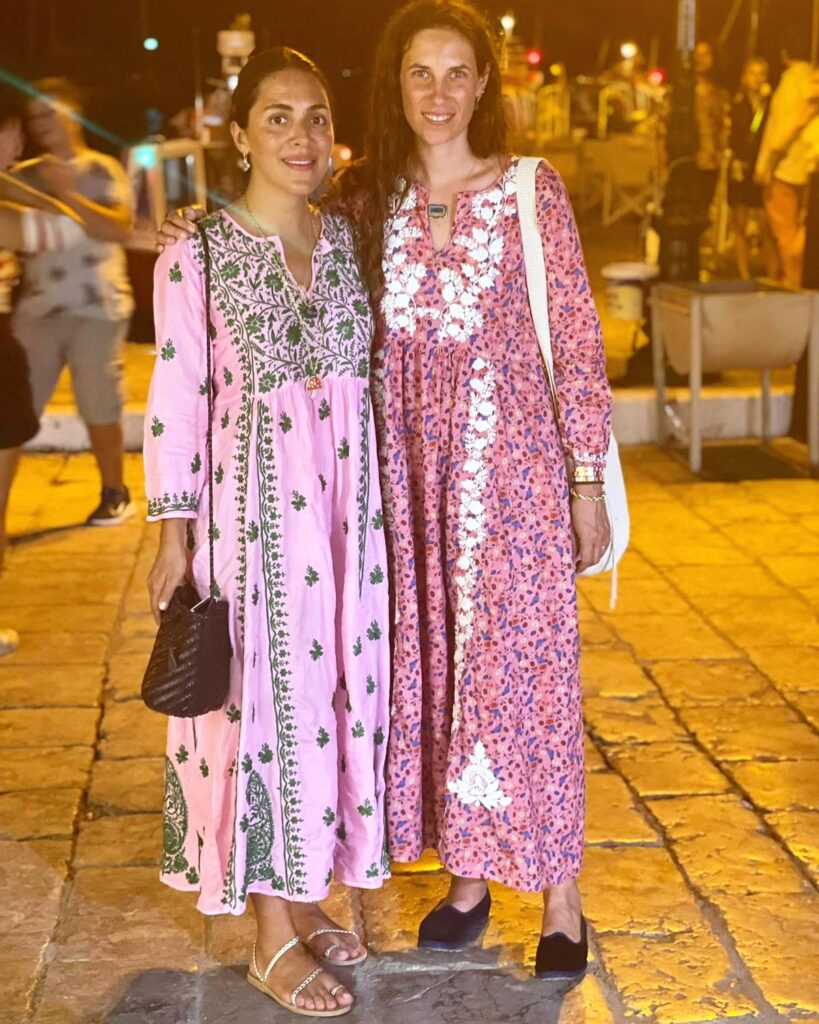
Presented in Athens against the layered backdrop of antiquity and modern elegance, “Shell Song,” the Spring/Summer 2026 collection by Muzungu Sisters, unfolded as a refined homage to Greece—its mythology, its light, and its enduring sense of beauty. Inspired by Minoan civilization, marine symbolism, and summers shaped by the Aegean, the collection brings together fluid silhouettes, linocut-inspired prints, and the meticulous craftsmanship of artisans across India. Designed in London and rooted in a philosophy of conscious luxury, each piece reflects the founders’ long-standing commitment to cultural preservation and timeless design. Shaped by years of travel and time spent in Greece, the collection reflects a lived familiarity with its landscapes, culture, and rhythm of summer. Following their recent presentation at the Conrad Athens The Ilisian, we speak with founders Tatiana Santo Domingo and Dana Alikhani about the inspirations behind “Shell Song,” their deep connection to Greece, and their evolving vision of modern luxury.
Muzungu Sisters was founded on the idea of connecting global artisan communities with a wider audience. How do your collaborations—particularly with artisans in India—shape not only the making of a collection, but also its impact and purpose?
TATIANA: As a brand, Muzungu Sisters sets out to empower artisans to continue to produce traditional crafts. This means we are constantly exploring options to bring our artisan wares to a broader audience. We are able to support local economies and ensure that the artisans we work with are able to continue supporting themselves and their communities through their crafts, in a manner that is respectful to their own cultural practices. We hope that by exposing these crafts to new audiences, there will be a greater incentive for younger generations to learn these trades and ensure these practices live on.
DANA: We seek out fair-trade cooperatives or NGOs to work with. We travel and meet with the artisans producing our items, and assess the feasibility of establishing a relationship with them so that we can then custom-order pieces. We ensure all our products are ethically sourced by building close working relationships with the artisans we work with. By working with small groups of artisans, fair trade cooperatives and non-profit foundations, we are able to ensure that the working conditions are fair and that our sourcing is done responsibly. Are the artisans paid a fair market price for their work and are they able to guarantee their family’s livelihoods? These sorts of questions enable us to ensure we uphold the core ethical elements of our sourcing practices.
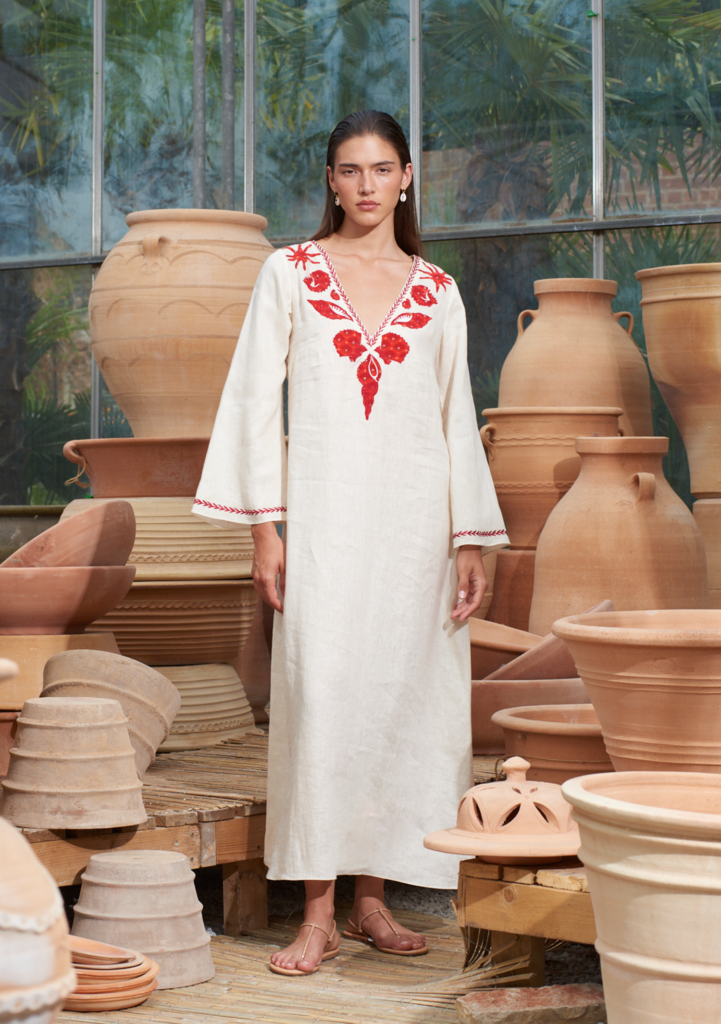
TATIANA: We have been working with artisans in India for years and have built a really beautiful collaborative relationship with different craftspeople in Bombay, Delhi, Jaipur, Rajasthan and beyond. Our latest collection Shell Song was designed in our London studio and produced in India.
DANA: We are both mad Indophiles, and being so taken with India, we do try to go back as much as possible. It is such a rich country in so many ways, and each time we go back we find amazing new crafts and tons of inspiration.
Each piece is designed in London and brought to life through time-honored techniques in small ateliers. Can you tell us more about this dialogue between design and craftsmanship, and how an idea evolves into its final form?
TATIANA: Meeting the artisans and working with them is always fascinating and extremely enriching. Almost every piece we design is a collaboration with our artisans using their expertise and skills, combined with our vision and tailored specifications for the brand. This results in the beautiful creation of new, custom products, through our flourishing relationships with the artisans. On other occasions, we sometimes order the product as it is, the way the artisans have been making them for thousands of years.
DANA: Some of the items we have been familiar with through our travels before starting the website. For instance, I met the older artisan who makes our Sicilian baskets before we launched Muzungu Sisters, and Tatiana has been getting sarongs from the same family in Bali since she was a child. We always ensure the product meets our standards from a production point of view: we assess the quality of the craftsmanship, see how rare the item is, what is the story behind each item, how it is being made, and under what working conditions.
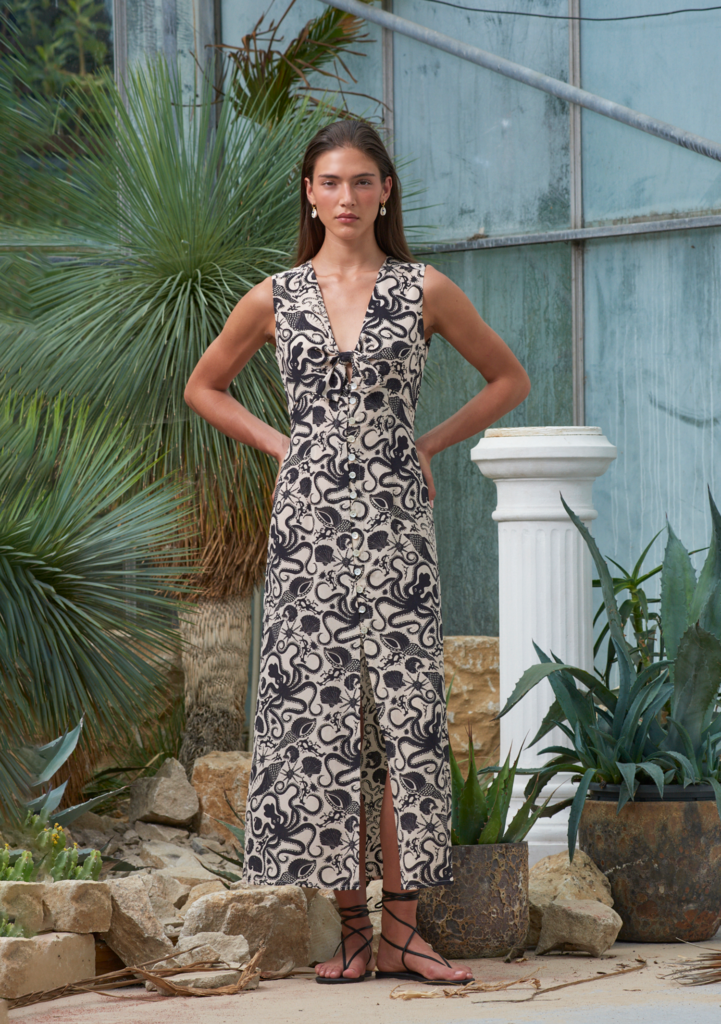
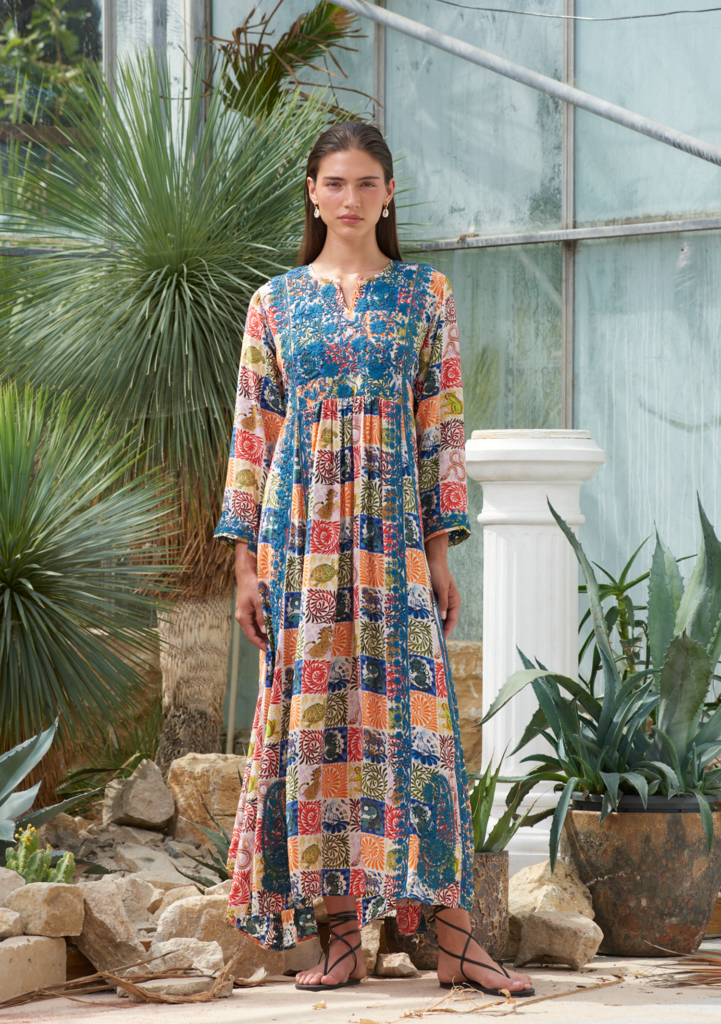
TATIANA: We have both been fortunate enough to be exposed to many different cultures all around the world and the colours, local crafts and music from all the countries we have visited have had a huge influence on us and have definitely played a part in forming the Muzungu Sisters design spirit. We only use natural sustainable and biodegradable materials that leave a minimal trace on our environment. We design our own prints and we control most of the production process. These pieces are timeless—and don’t go out of style—created with the intention to be kept for years to come.
Muzungu Sisters has redefined what conscious luxury can look like—rooted in craftsmanship, cultural respect, and longevity. In today’s landscape, how do you define true luxury?
TATIANA: I think the notion of luxury has changed a lot in the recent years. Today you can find most of the big brands almost anywhere in the world so people are beginning to realise that something that is luxurious does not necessarily have to be expensive and that the fact that it is exclusive and original is what makes it special and luxurious. A respect for traditional crafts is what we are trying to promote with Muzungu Sisters. We definitely launched at a time when there is more of a desire on the part of consumers to have access to handmade heirlooms, and to know exactly where products are coming from, and how they are being made. Fashion should not just be reduced to glossy magazine covers, we should not forget the many artisans all around the world that dedicate their lives to the excellence of their work and this is precisely what we are trying to promote.
DANA: Ideas of true luxury are definitely shifting and people are becoming more conscious of their everyday patterns as a consumer, not buying things you wouldn’t use in five years, supporting small businesses producing things made of natural fibres, eating as organically or as naturally as possible. We are seeing more and more of a return to the way our ancestors used to live, it’s better for our health and better for the environment! Muzungu Sisters is less about hoping to change the way people shop for fashion, or preaching, but more about wanting to show traditional artisanal pieces in a new luxury context.
Athens, with its dialogue between antiquity and modern creativity, feels like a natural setting for “Shell Song.” What does it mean for you to present this collection in Greece, and how has the country’s mythology, folk, and current aesthetics inspired your work—and your vision of summer—this time?
DANA: I grew up in Cyprus so I have always felt very deeply connected to Greek culture and this collection is very much inspired by our summers spent together in Greece. There is something magical about the way mythology, antiquity, and contemporary creativity coexist so naturally here, particularly in Athens.
TATIANA: Our Spring/Summer collection Shell Song is a tribute to brighter days and summers spent underwater, the ancient beauty of Minoan civilisation, Greek amphorae and timeless animal mythology. The collection features sea and shell inspired motifs, linocut-printed artworks, and effortlessly elegant silhouettes so we were really honoured to present the collection in Conrad Athens The Ilisian, a building which has such an incredible history.